The MAONO PD100 XLR Podcast Microphone review is aimed at creators building a straightforward desk recording setup around an audio interface or mixer.
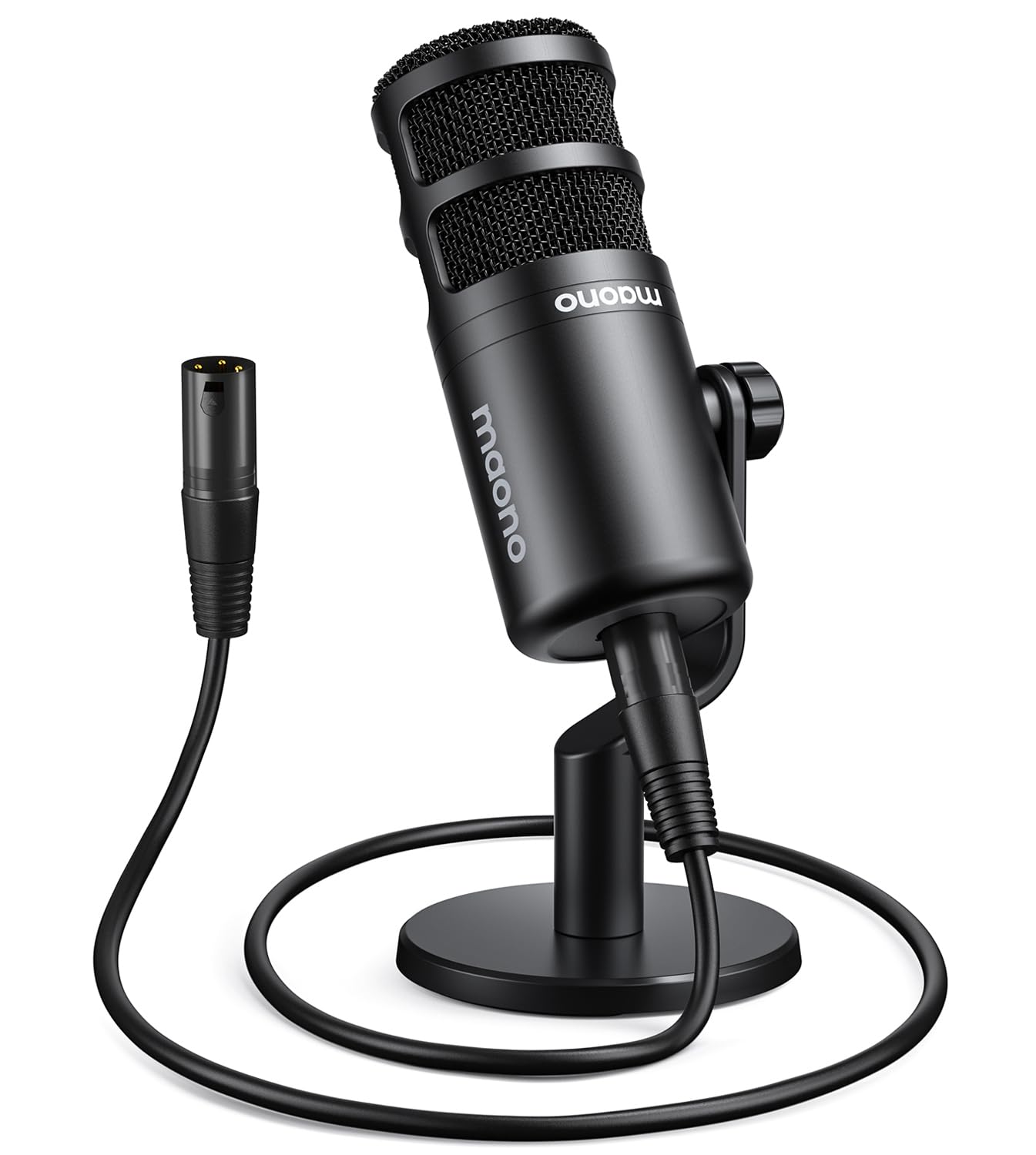
Its cardioid dynamic design, included stand and cable, and built-in pop filtering make it a focused option for podcasting, streaming, voiceover, and vocal work.
MAONO PD100 Review Summary
The quick verdict
800+ ratings
Read Amazon ReviewsMAONO PD100 XLR Podcast Microphone
A practical fit for podcasters and streamers who want an XLR dynamic mic with a desktop stand, cable, and pop filtering included.
- Dynamic microphone with a cardioid pickup pattern, intended for podcasting, vocal recording, streaming, and content creation.
- Frequency response listed as 60 Hz–14 kHz.
- Built-in dynamic core and inner double-layer pop filter designed to attenuate plosives.
- Top-facing pickup approach: speak toward the top of the microphone.

Pros
- The dynamic cardioid design and built-in pop filtering are tailored to close-mic voice recording.
- The box includes a desktop stand, extender, weighted circular base, and XLR cable for a ready-to-assemble desk setup.
Consider before buying
- It is an XLR microphone, so a compatible audio interface or mixer is part of the setup.
- The included support is a desktop bracket and base; check that this style and its reach suit your desk and preferred mic position.
Read the full review summary
The PD100 centers on a familiar XLR workflow: connect the microphone to an interface or mixer, position it toward your voice, and record.
Its listed 60 Hz–14 kHz frequency range and built-in dynamic core are designed for voice and content creation, while an inner double-layer pop filter is intended to reduce plosive sounds.
The included desktop stand, height extender, circular metal base, and XLR cable give a new home-studio setup a useful starting point.
The tradeoff is that the microphone relies on XLR equipment, so buyers should already have—or plan to get—a suitable interface or mixer. The stand is designed for desktop use, which may not suit every workspace or recording position.
The buying factors
MAONO PD100 Scorecard
Editorial scores reflect listed features and buyer fit; they are not laboratory measurements or customer ratings.
Podcast and voice focus
The cardioid pickup, dynamic design, and pop filtering are well suited to close spoken-word recording.
Connection flexibility
XLR works with compatible interfaces and mixers, but the described setup does not include USB connectivity.
Included setup pieces
A desktop stand, extender, metal base, and XLR cable are included, reducing the number of basic pieces to source separately.
Placement options
The extender raises the desktop bracket, and the microphone has common 5/8-inch and 3/8-inch threads for mic stands.
Plosive management
The inner double-layer pop filter is designed to attenuate plosive sounds, though mic distance and positioning still matter.
Voice range coverage
The 60 Hz–14 kHz range is a reasonable stated span for voice-oriented recording, without implying a particular measured sound quality.
Key Features and Specifications of MAONO PD100
- Dynamic microphone with a cardioid pickup pattern, intended for podcasting, vocal recording, streaming, and content creation.
- Frequency response listed as 60 Hz–14 kHz.
- Built-in dynamic core and inner double-layer pop filter designed to attenuate plosives.
- Top-facing pickup approach: speak toward the top of the microphone.
- Metal microphone body with a compact design, plus a desktop bracket and thick circular metal base.
- Includes a 2.36-inch rod extender, a 6.56-foot XLR cable, and 5/8-inch and 3/8-inch stand threads.
Pros and Cons of MAONO PD100
Pros
- The dynamic cardioid design and built-in pop filtering are tailored to close-mic voice recording.
- The box includes a desktop stand, extender, weighted circular base, and XLR cable for a ready-to-assemble desk setup.
- Standard 5/8-inch and 3/8-inch threads support use with many mic stands.
- The compact metal construction is a practical fit for a dedicated desktop recording area.
Consider before buying
- It is an XLR microphone, so a compatible audio interface or mixer is part of the setup.
- The included support is a desktop bracket and base; check that this style and its reach suit your desk and preferred mic position.
- The described 60 Hz–14 kHz response is voice-oriented; buyers recording sources that need broader frequency coverage should compare alternatives carefully.
Who Should Buy MAONO PD100?
Good fit
Consider the PD100 if you record podcasts, streams, voiceovers, or vocals at a desk and already use an XLR interface or mixer.
The cardioid pattern and top-facing pickup approach make mic placement part of the routine: position the mic toward your voice, then adjust distance and angle to find a comfortable working position.
The included stand, extender, base, and cable make the package useful for setting up a first XLR desk station or adding a dedicated voice mic.
Before choosing it, confirm the cable length reaches your interface and that your recording position works with the desktop stand.
Who should skip it
Look elsewhere if you need a microphone that connects directly to a computer without an interface or mixer; the described connection is XLR.
Also compare other mounting options if a desktop base does not fit your workspace or the way you record.
How the MAONO PD100 Fits a Home Recording Setup
An XLR-first workflow
The PD100 is built around an XLR connection, which makes an interface or mixer central to the setup.
That suits creators who want to route a microphone through existing recording gear, while adding a piece of equipment for anyone starting from a computer alone.
Voice pickup and positioning
Cardioid pickup focuses the microphone toward the sound source, and the top-facing approach gives a clear placement cue: aim the top toward your voice.
The pattern and dynamic design are intended for voice work, but a good result still depends on positioning the mic consistently and keeping it close enough for your recording style.
A compact desk package
The bracket, circular metal base, and short rod extender are designed to bring the microphone onto a desktop.
This reduces the need to source a basic stand separately, though buyers should consider how much desk space the base occupies and whether the extender places the mic at a comfortable height.
Pop filtering and source range
The inner double-layer pop filter is meant to soften plosive bursts, a useful design detail for spoken-word recording.
The 60 Hz–14 kHz range is a relevant specification for a voice-focused mic; creators recording varied instruments should judge whether that stated span aligns with their material and processing plans.
Alternatives to MAONO PD100
Multipurpose Dynamic Microphones alternative
600+ ratings
Read Amazon ReviewsSamson Q9U
Choose the PD100 if a compact desktop kit and included XLR cable suit your interface-based setup.
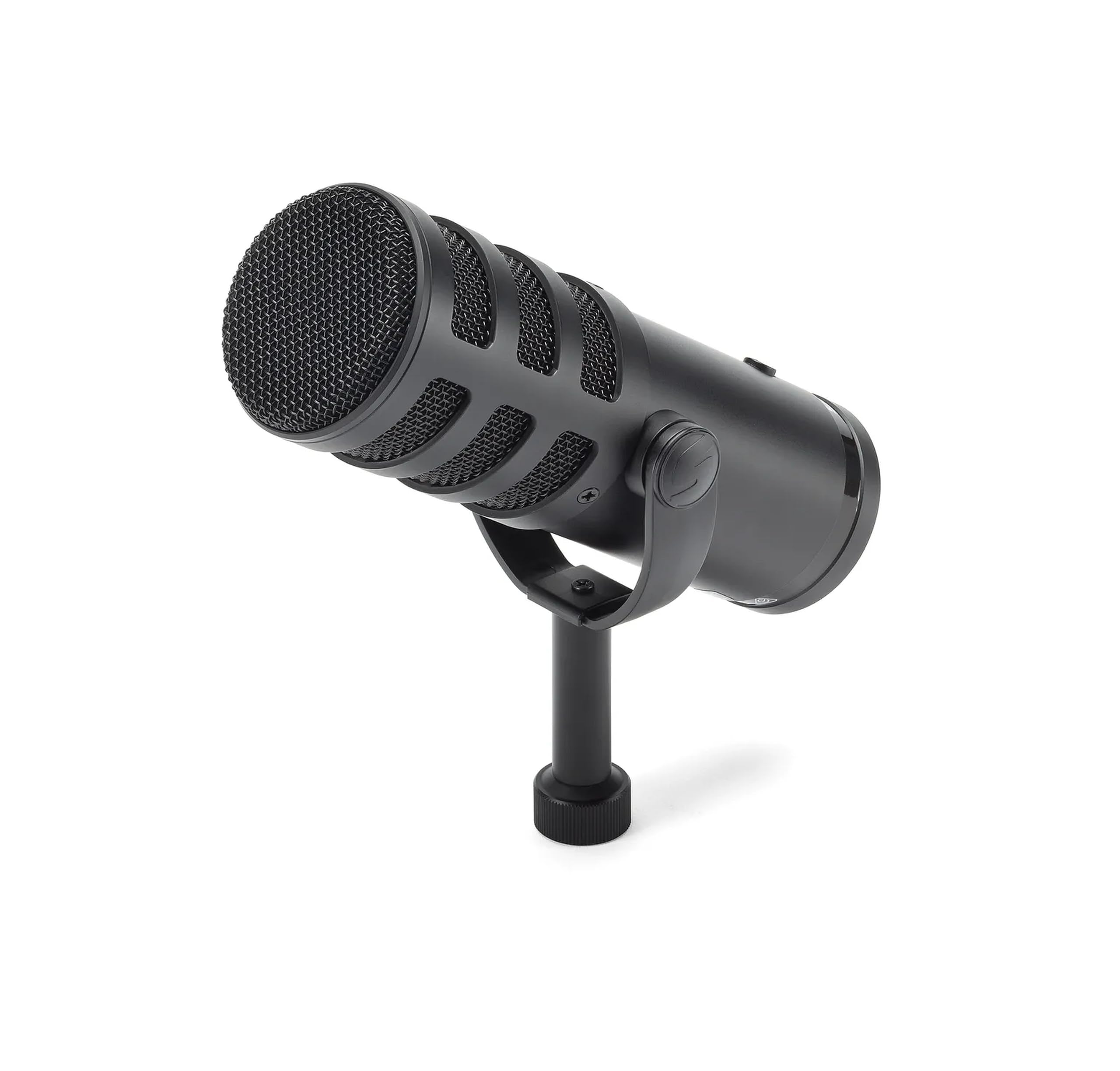
The Q9U is a stronger fit if you want the option to connect by USB-C or need its built-in headphone monitoring and mute controls.
- The Q9U offers both XLR and USB-C connections, 24-bit/96 kHz digital recording over USB-C, zero-latency headphone monitoring, and an onboard mute switch.
- Its description also lists a cardioid pattern, internal pneumatic shock mount, and dual-layer windscreen.
- The PD100 is an XLR dynamic microphone supplied with a desktop stand, extender, base, and XLR cable; its described connection centers on an interface or mixer.
Multipurpose Dynamic Microphones alternative
5,000+ ratings
Read Amazon ReviewsSamson Q2U
The PD100 suits buyers committed to an XLR interface and wanting its circular metal desktop base.
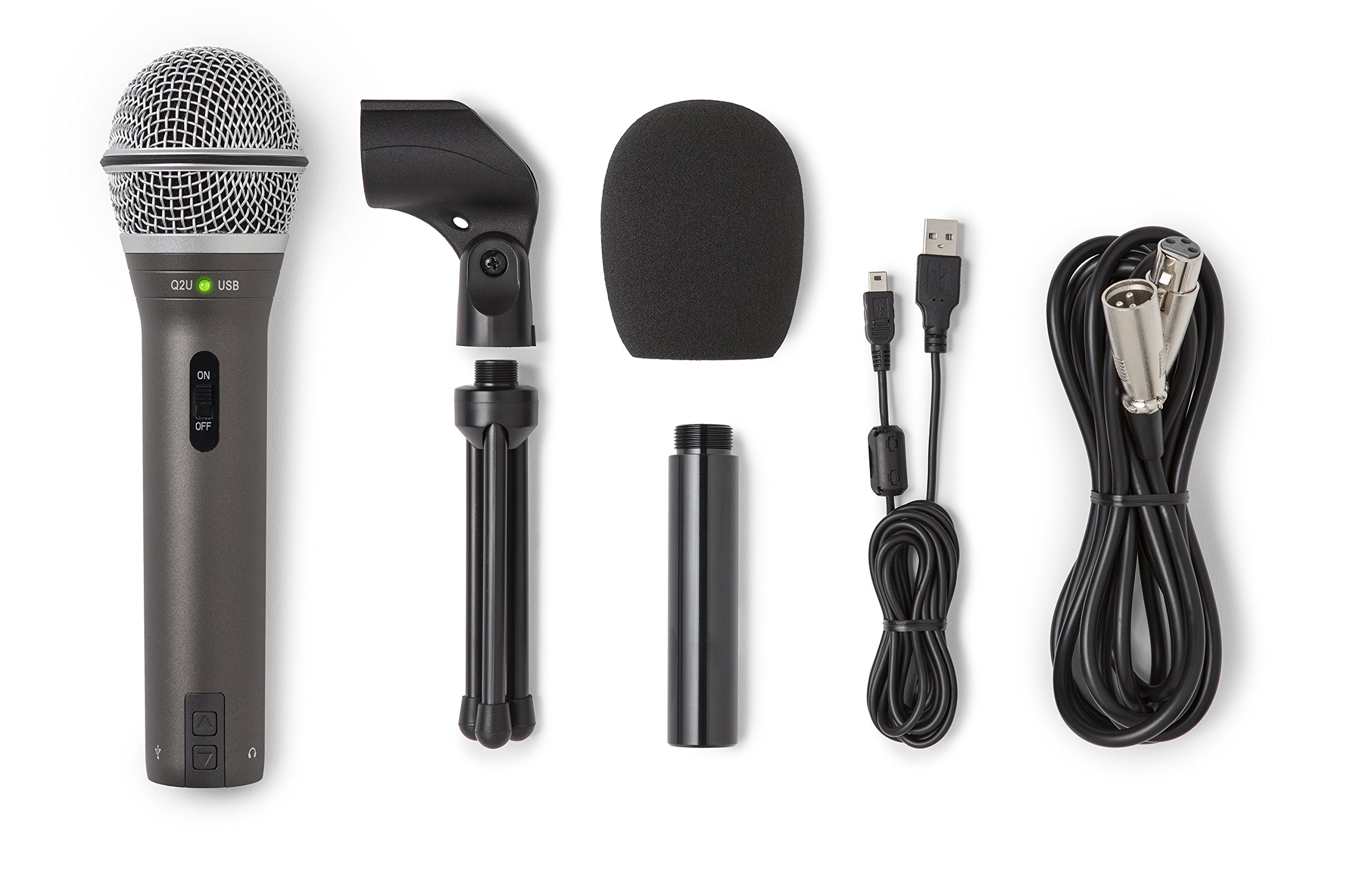
The Q2U offers a more flexible USB-C/XLR connection choice and a broader set of included accessories, making it worth considering if direct computer connection matters.
- The Q2U has USB-C and XLR plugs and is supplied with a tripod desktop stand, tripod extension, mic clip, windscreen, USB-C cable, and XLR cable.
- The PD100 is an XLR-only microphone in the supplied description and comes with a desktop bracket, base, extender, and XLR cable.
Is MAONO PD100 Worth It?
The MAONO PD100 XLR Podcast Microphone is worth considering for a voice-focused desk setup built around an audio interface or mixer.
Its cardioid dynamic design, pop filtering, included stand hardware, and cable make it a practical starting package for podcasting, streaming, and voiceover.
Buy it if the XLR workflow and desktop placement fit your routine. If you need direct USB connection or more onboard controls, compare microphones that specifically include those features before deciding.
Your review at a glance
800+ ratings
Read Amazon ReviewsMAONO PD100 XLR Podcast Microphone
A practical fit for podcasters and streamers who want an XLR dynamic mic with a desktop stand, cable, and pop filtering included.
- Dynamic microphone with a cardioid pickup pattern, intended for podcasting, vocal recording, streaming, and content creation.
- Frequency response listed as 60 Hz–14 kHz.
- Built-in dynamic core and inner double-layer pop filter designed to attenuate plosives.
- Top-facing pickup approach: speak toward the top of the microphone.